
The Features That Matter Most For Everyday Drivers Right Now

Walk into any dealership today and you’ll notice something interesting. Buyers aren’t asking about 0-60 times or peak horsepower figures. They’re asking about backup cameras, blind spot monitoring, and whether the seats heat up fast enough for winter mornings. The shift is real, and it’s changing how automakers package their vehicles.
- Hands-free highway driving jumped 20 percentage points in buyer demand from 2024 to 2025, now tied with rear automatic braking as the most-wanted feature at 43% of buyers.
- Safety tech that was once optional on luxury models is now standard equipment on affordable mainstream vehicles, with systems like Honda Sensing and Subaru EyeSight included on base trims.
- Practical interior features like wireless charging, heated seats, and simple climate controls consistently rank higher than performance upgrades for the typical driver.
Safety Takes the Front Seat
Something changed between 2024 and 2025. The wireless phone charger, which held the top spot for three straight years, got knocked down by hands-free highway driving systems like GM’s Super Cruise and Ford’s BlueCruise. That’s a massive shift in priorities.
Here’s what buyers actually want. Technology that reduces stress during the daily commute. Adaptive cruise control that maintains distance from the car ahead. Lane-keeping assist that gently nudges you back if you drift. Automatic emergency braking that stops the car when someone cuts into your lane without warning.
These systems used to cost thousands extra on higher trim levels. Now they’re standard on a Honda Accord or Subaru Outback. When you can get full driver assistance features on a $29,000 vehicle, that changes the whole market.
The Interior Features That Actually Get Used
Buyers are getting smarter about what they’ll actually use. Climate-controlled seats? Absolutely, especially in places with real winters. Latest models offer heating and ventilation for both rows, controlled through phone apps before you get in the car.
Panoramic sunroofs ranked third in buyer preferences for 2025. Not because they’re flashy, but because they make the cabin feel bigger and brighter during long commutes. Add in the wireless charging pad that finally works, and suddenly that hour-long drive gets more comfortable.
Storage matters too. Buyers want places to put water bottles, cables, and bags without everything sliding around. Best-selling crossovers figured this out years ago, which is why they’re still dominating sales.
Crossovers Package Everything Just Right
There’s a reason compact crossovers keep winning. Take something like the Mazda CX-50 Lebanon OH dealers have in stock right now. It combines all-wheel drive with driver assist tech and a comfortable interior at a size that’s easy to park. You get 360-degree cameras, blind spot monitoring, and adaptive cruise control without jumping to a luxury brand.
You’ll see this across Toyota, Honda, and Subaru lineups. These vehicles package safety features with practical storage and comfortable seating in a size that works for both city parking and weekend road trips. No wonder they’re what most buyers end up choosing.
Tech Integration Without the Hassle
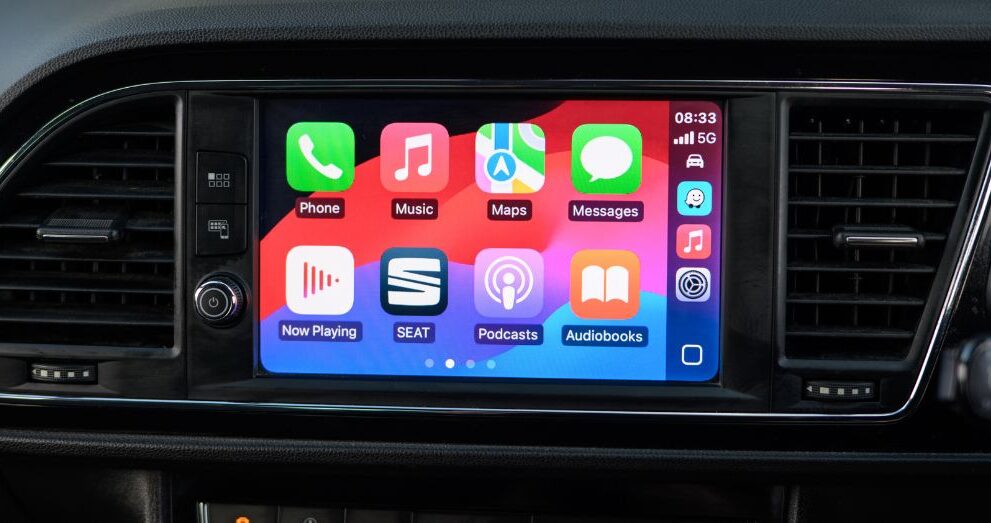
Younger buyers especially want easy phone integration that just works. Wireless Apple CarPlay and Android Auto are becoming deal-breakers. Nobody wants to fumble with cables while backing out of a parking spot.
Systems that work best are the ones you barely notice. Voice commands that actually understand what you’re asking. Climate controls with physical buttons instead of buried in touchscreen menus. Navigation that updates traffic in real-time without needing a subscription.
Performance upgrades? Sure, they’re nice to have. But most buyers would rather put that money toward better safety features or a nicer interior. The statistics back this up. Six of the top 15 most-wanted features for 2025 are driver assistance systems, not performance upgrades.
Why Practical Beats Flashy Every Time
Most people keep their new car for about six years. That’s over 2,000 daily commutes, countless grocery runs, and at least a few long family road trips. Features that make those everyday drives easier and safer deliver way more value than something you’ll rarely use.
Blind spot warning systems prevent lane-change accidents. Rear cross-traffic alert keeps you from backing into passing cars. Automatic high beams switch themselves on dark roads. These are the features that matter when you’re tired after work or distracted by kids in the back seat.
Buyers figured out what actually improves their daily driving experience. The industry is finally catching up, making these features standard instead of optional add-ons. That’s good news for anyone shopping for a vehicle right now.
Making the Smart Choice
Shopping for a new vehicle in 2025? Focus on what you’ll use every week, not what looks impressive on a spec sheet. Test the driver assistance features on real roads. Make sure the infotainment system makes sense without reading the manual. Check if the seats stay comfortable after an hour behind the wheel.
Vehicles winning buyer loyalty right now make everyday driving better. Sometimes the most important features are the ones you barely think about because they just work.
This post may contain affiliate links. If you buy products through these links, we may receive a commission, at no additional cost to you.