
Kia’s American Pickup Is Officially Happening, a Body-on-Frame Hybrid Hauler by 2030

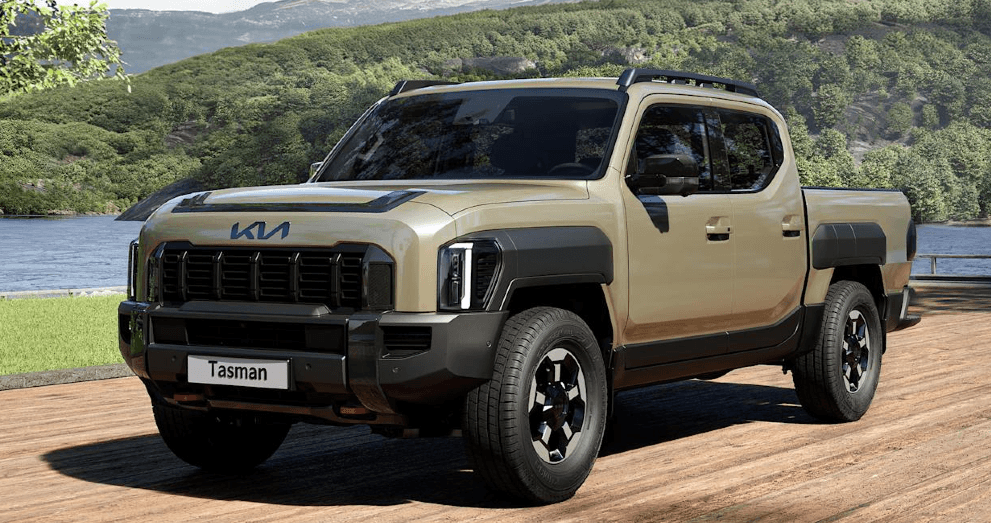
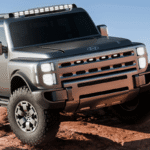
After years of rumors and teaser shots, Kia finally made it official. The brand is building a midsize body-on-frame pickup for American buyers, and it’s arriving before the decade is out with both traditional hybrid and extended-range electric power under the hood.
- Kia confirmed a midsize body-on-frame pickup for North America by 2030, powered by HEV and EREV drivetrains.
- CEO Ho Sung Song is targeting 90,000 annual sales and roughly 7% of the midsize segment by 2034.
- The truck will chase the Toyota Tacoma, Ford Ranger, Chevrolet Colorado, and Nissan Frontier on their home turf.
What Kia Actually Announced
The news came straight from the top. Kia officially threw its hat into one of North America’s most fiercely contested segments, confirming it will launch a body-on-frame hybrid pickup in the United States before the end of the decade. The information came directly from CEO Ho Sung Song during the brand’s 2026 Investor Day presentation. This wasn’t a spy shot or an insider tip. It’s a real product promise tied to a real investor strategy.
The company will offer the pickup with a traditional hybrid powertrain and an EREV configuration, a series hybrid where a gasoline engine charges the battery but never directly drives the wheels. That setup matters because it sidesteps two of the biggest complaints about full EVs, range anxiety and charging time. You still fill it up at a gas station, but you get EV-style torque and smoothness on the road.
Why a Body-on-Frame Design Is a Big Deal
Kia has built its modern reputation on car-based crossovers. This truck is a sharp pivot. The new pickup will ride on an all-new body-on-frame architecture, the first of its kind developed by the Hyundai Motor Group. That matters to American truck buyers who expect their work rigs to tow, haul, and handle rough job sites without flexing like a unibody SUV.
There’s also a strong hint that Kia is playing a longer game. Similar to how Toyota uses one platform for the Tacoma and 4Runner, or Jeep does for the Wrangler and Gladiator, it’s highly likely Kia will follow suit with a rugged SUV counterpart alongside Hyundai’s parallel development of the Boulder. One chassis, multiple body styles, less development cost per model.
The Competition Kia Has to Beat
The midsize pickup class is crowded and loyal. For reference, Toyota sold 274,638 Tacomas, Chevy sold 107,867 Colorados, and Ford sold 70,960 Rangers in 2025. Kia’s 90,000-unit target would slot it right into the thick of that fight. Chasing that volume means the truck needs more than good looks. It needs real towing numbers, genuine off-road chops, and the kind of interior tech that makes shoppers at traditional truck dealerships pause and reconsider what a Kia badge stands for.
Kia also gets to play in space nobody else really occupies. None of the current midsize rivals offer anything close to an EREV powertrain, and the Tacoma is the only midsize truck you can get as a hybrid in the U.S. right now. If Kia can price the electrified versions right and back them up with its usual long warranty, that’s a real selling point.
Production, Pricing, and the Chicken Tax
There’s a tariff wrinkle that shapes everything. The truck will need to be made in North America to avoid the 25% “Chicken Tax” that applies to trucks imported from outside the region. Kia’s corporate cousin Hyundai is planning to introduce a U.S.-built midsize pickup within the same timeframe, so it’s possible the two will share a platform or manufacturing facilities.
Pricing hasn’t been announced yet, but expectations are reasonable for the segment. Early estimates place the truck in the heart of the midsize class, likely meaning a starting price in the mid-$30,000 range and climbing into the $50,000s for higher trims and electrified variants.
How This Fits Kia’s Bigger Playbook
The pickup isn’t a vanity project. It’s load-bearing in Kia’s U.S. growth plan. The company wants to reach 1.02 million annual sales and a 6.2% market share by 2030. You don’t get there without a truck in a country where pickups account for one in five new vehicles sold.
The body-on-frame truck would be the first such vehicle from Kia since the Borrego SUV, which only lasted one model year in the U.S. but got a second generation in Korea. That’s a meaningful return to ladder-frame engineering from a brand that walked away from it almost two decades ago.
What to Watch For Before Launch Day
Expect more details to trickle out over the next couple of years, including towing figures, bed dimensions, and confirmation of a sibling SUV. If Kia can deliver the same value-packed formula that made the Telluride a hit, paired with electrified powertrains and a real ladder frame underneath, the Tacoma and Ranger crowd could finally have a reason to look twice at a Korean badge.
This post may contain affiliate links. If you buy products through these links, we may receive a commission, at no additional cost to you.